image.png

Corporate Responsibility

menu opisówka

Sustainability

JDR are committed to leading the subsea energy industry in sustainable practices. Our approach integrates environmental protection, social responsibility, and economic viability across all aspects of our business. Our leadership team is committed to setting and achieving measurable sustainability goals, driving continuous improvement across the organisation.

JDR is dedicated to setting an example in sustainability and will achieve our goals by being more energy efficient, using renewable or low carbon technologies and integrating sustainable practices into every aspect of our operations.

By doing this, we aim to create long-term value for our stakeholders while contributing positively to the global effort to protect our planet. Our commitment to sustainability is set out in our Sustainability Policy which guide our business practices and our supplier relationships which is supported by our Sustainable Procurement Policy.

We prioritise environmental stewardship by working to reduce our energy consumption and carbon footprint. This commitment is reflected in our Energy Efficiency Policy and through investments in advanced materials, product technologies and optimised production processes.

As a participant in the Science-Based Targets initiative (SBTi) and a signatory of the UN Global Compact, we embed these principles into our policies, strategies, and daily practices, sharing our progress through our annual Environmental and Social Governance report. Building on this foundation, our Net Zero Strategy sets out a clear, credible pathway to achieve net-zero emissions by 2050, aligned with a 1.5 °C scenario. It provides transparency through measurable goals, milestones, and actions, guiding and accelerating our transition.
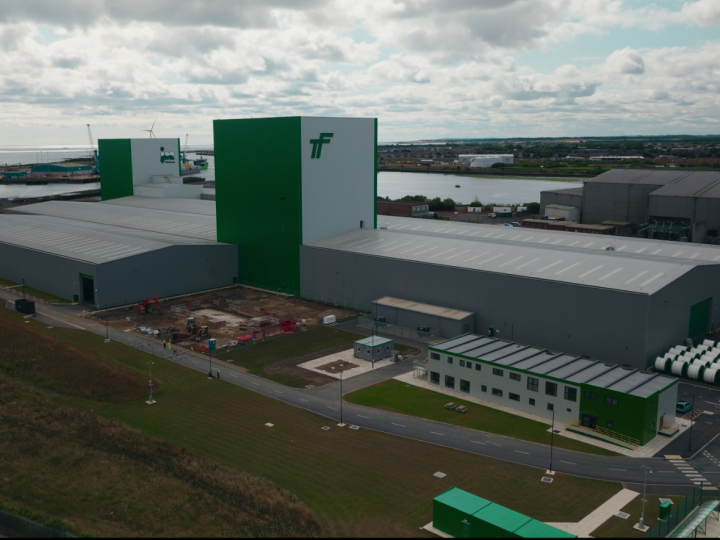
image.png

Net-Zero Commitment

While JDR enables low-carbon energy solutions, we also recognise our responsibility to reduce our own emissions and resource use, and to minimise our environmental and social impact across all operations.

JDR is committed to achieving Net-zero emissions by 2050. This goal is supported by:

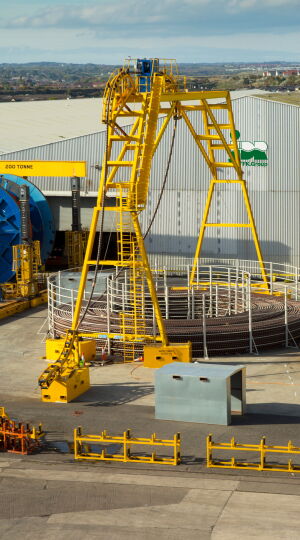
  • Blyth Plant: Key to the future success of JDR and to build a sustainable future for our business, JDR’s new facility will transform our capabilities while also reducing our carbon footprint.
  • Science-Based Targets: JDR’s targets align with a 1.5°C pathway, with SBTi verified near term and Net-zero targets as follows:
    • JDR commits to reducing our absolute Scope 1 and 2 greenhouse gas emissions by 54.60% and Scope 3 by 32.50% by 2033 from our 2022 base year.
    • JDR commits to reach Net-zero greenhouse gas emissions across our value chain by 2050. This requires a reduction of our absolute Scope 1, 2 and 3 greenhouse gas emissions of 90% from our 2022 base year.
  • Operational Improvements: Investments in renewable energy, energy-efficient technologies, and innovations in cable manufacturing.
  • Sustainable Procurement: With practices aligned to ISO 20400 standards and regular supplier audits; we extend our commitment to sustainability across our supply chain.
image.png
ecovadis-zloty-2026.jpg

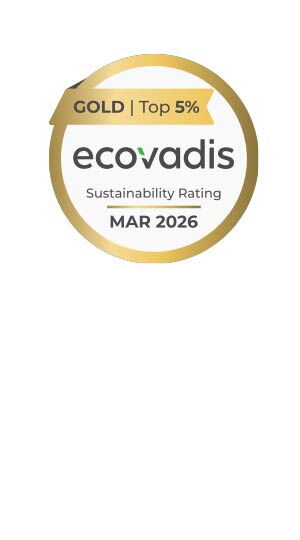
JDR is an EcoVadis Gold Medal recipient, placing us in the top 5% of companies scored globally

cdp.jpg

JDR holds a CDP 'B' rating for Climate, placing us in the Management band for transparent industry benchmarking

As a leading supplier to the offshore wind sector, action on climate change is at the heart of JDR's strategy, where transparency is central to this.

Transparency and Engagement

JDR continue to disclose our performance on the CDP and EcoVadis platforms to align with our Net Zero strategy, prioritising data maturity and the ongoing accuracy of our carbon footprint.

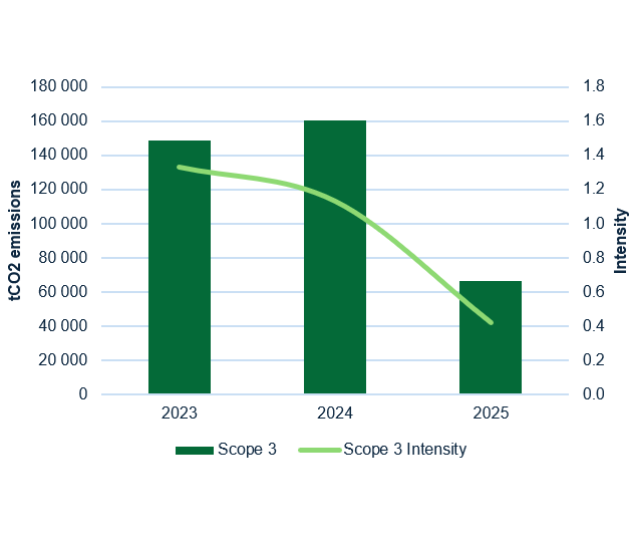
Through enhanced collection methodologies and expert third-party consultation, we map our Scope 3 emissions with far greater granularity. This improved accuracy gives us the precise baseline needed for real change. Moving forward, JDR will continue to refine its Scope 3 strategy, focusing on its value chain engagement and lifecycle assessments to drive targeted, meaningful reductions to meet our targets.

Performance Highlights

image.png

Emissions

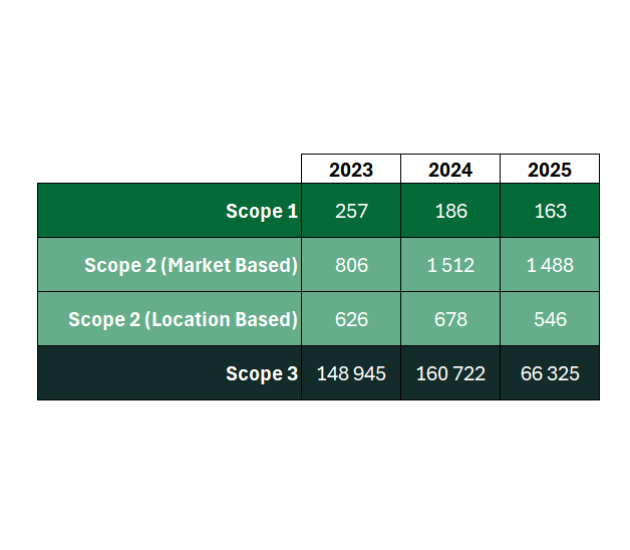
Independently verified Scope 1, 2, and 3 emissions data help us improve accuracy and drive reductions.

image.png

Energy Management

JDR operates under the ISO 50001 energy management standard. As part of this commitment to efficiency, our Blyth facility is powered by 100% renewable electricity.

image.png

Lifecycle Assessments

JDR utilise Lifecycle Assessments to design lower-carbon subsea power cables for the future.

image.png

Waste

JDR has achieved zero waste to landfill for three consecutive years and continues to drive high recycling rates.

Greenhouse Gas Emissions
Scope 1, 2, and 3 Emissions
Energy
Waste Management
Water
Biodiversity

Greenhouse Gas Emissions

We report our greenhouse gas emissions using the operational control approach set out in the GHG Protocol. We continue to strengthen the accuracy and completeness of our data each year, with a particular focus on improving the detail and coverage of our Scope 3 emissions across all 15 GHG categories. At JDR, our emissions are categorised as follows:

Scope 1 – Direct emissions sources

  • Combustion through natural gas
  • Building refrigerants (F-gas)
  • Fuel consumed by owned vehicles

Scope 2 – Indirect emissions sources

  • Energy consumption through purchased electricity

Scope 3 – Indirect emissions not covered in Scope 2

  • Upstream: Purchased goods and services, capital goods, fuel- and energy-related activities, transportation, and waste generated in operations.
  • Downstream: Use of sold products, end-of-life treatment of sold products, transportation of sold products, and investments.
1.png
1111.png

Scope 1, 2, and 3 Emissions

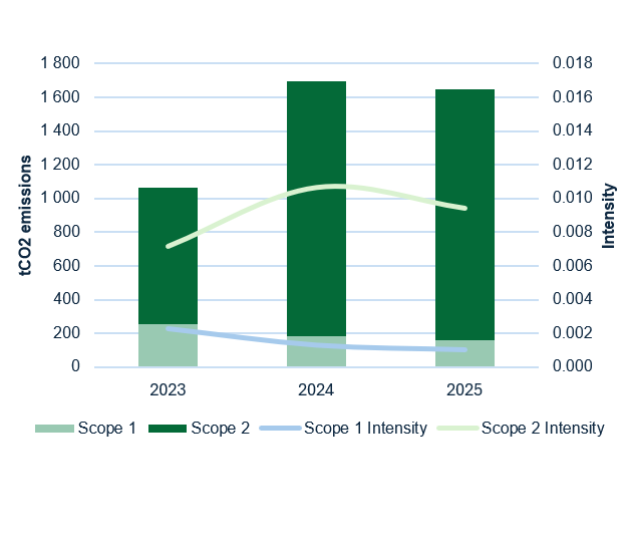
Our 2025 emissions profile reflects the shifts across our Scopes 1, 2, and 3. Our Scope 1 emissions have continued to decrease to 162.5 tCO₂e, representing 0.2% of our overall footprint and a 12.5% absolute reduction and a 21.2% decrease in carbon intensity compared to 2024. After an increase in 2024, we see a reduction in Scope 2 emissions by 1.6% to 1,488.0 tCO₂e, representing an 11.4% decrease in intensity and 2.2% of our overall footprint, driven primarily by increasing our share of renewable electricity within our energy mix.


Carbon intensity is calculated using our annual revenue as the normalisation factor. This provides a consistent measure of emissions relative to business activity, enabling year-on-year comparison regardless of production volume fluctuations.

112213.png

Energy

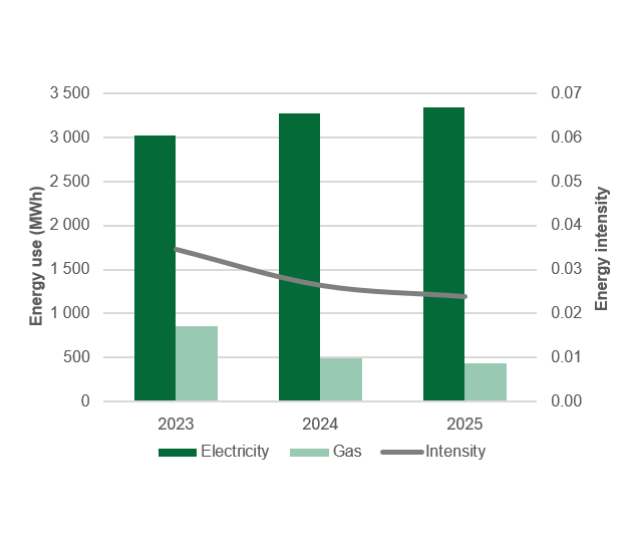
JDR’s production energy consumption primarily consists of purchased electricity for rotating machinery. While electricity usage remains largely consistent year-on-year, gas consumption, used mainly for heating, is declining. Consequently, our total energy use has decreased by 18.0% since 2022. Driven by increased revenue and operational efficiencies, JDR’s energy intensity has also significantly improved, falling by 47.3% over the same period.

The graph to the right illustrates JDR's energy consumption metrics, including our energy intensity.


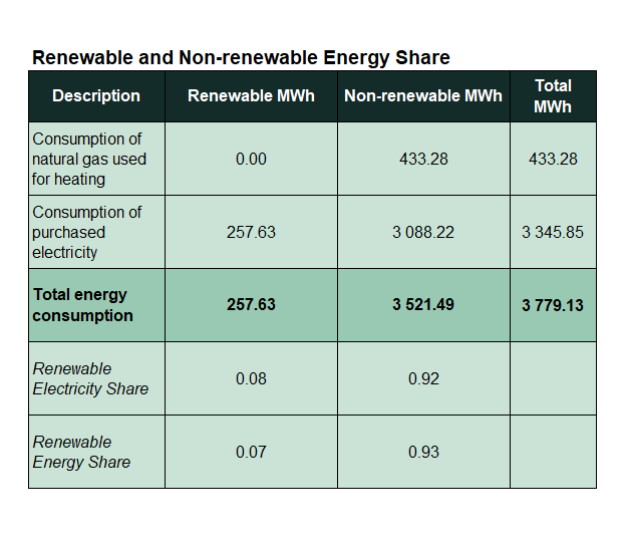
In 2025 our market-based emissions profile reduced due to our transition to renewable energy taking place in October, where we were able energise our Blyth facility with 100% REGO backed green electricity. JDR are in progress and on track to deliver the same profile to our other UK sites in the future.

This change in energy mix meant that JDR were able to show a renewable share in 2025 of 7.7% for our electricity use.

11232556.png
111244367.png

Waste Management

We continue to achieve high recycling rates for metals, polymers, and process scrap through established partnerships with certified recycling providers. Waste minimisation focuses on:

  • Reducing scrap from manufacturing
  • Increasing segregation
  • Working with suppliers to introduce recyclable materials
  • Exploring take-back solutions for end-of-life products


By maintaining a closed-loop system for waste management, JDR minimises the amount of waste sent to landfill or incineration, aligning with best practices under the waste hierarchy. In addition to recycling, we are exploring opportunities to further reduce plastic waste, improve material efficiency during production, and incorporate more recycled plastic into our product lines, supporting both environmental sustainability and business efficiency.


Disposal Method


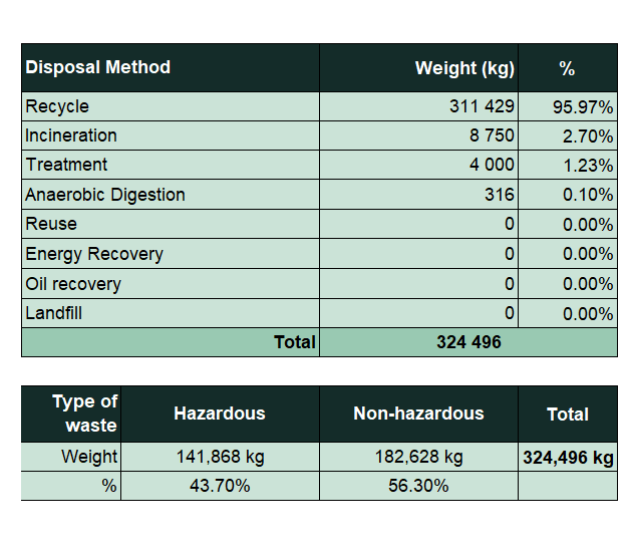
JDR is committed to minimizing hazardous waste and eliminating waste sent to landfill. During the most recent reporting period, our recycling rate continued to improve, rising from 74.2% in 2022 and improving on our 2023 and 2024 figures to reach 95.97% in 2025. Furthermore, we successfully reduced our landfill contributions from 9.4% in 2022 to 0%, and now achieving a zero-waste-to-landfill status for three successive years in 2023, 2024 and 2025.

1123457.png

Water

Water usage is monitored and controlled through our ISO 14001 environmental management system. Typically, JDR does not consume large volumes of water within its direct operations. The water used in processes, such as cooling during cable and umbilical manufacturing, is generally recirculated and only discharged after final use.

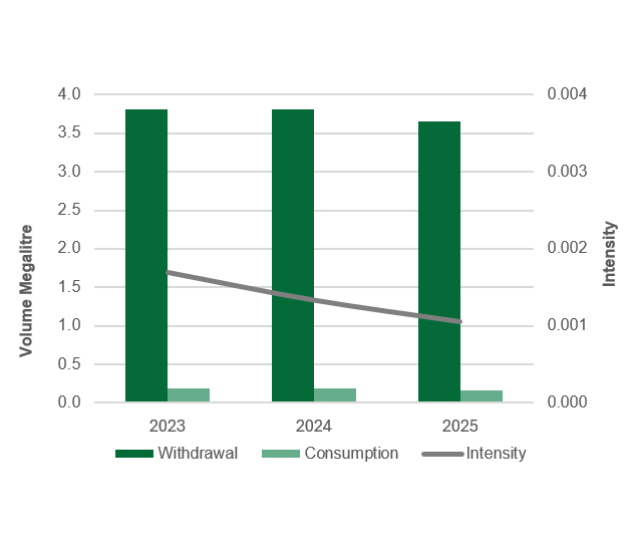
In 2025, withdrawn water was 3.66 megalitres, broadly in-line with previous years and based on a JDR average consumption figure. JDR anticipates a moderate increase in water withdrawal in the coming years, driven by the expansion of the Blyth facility. While water use is expected to rise due to increased production capacity, our focus on water efficiency initiatives will help manage water consumption.

1123557.png

Biodiversity

At JDR, we are committed to promoting and preserving biodiversity as a core aspect of our sustainable manufacturing practices. We recognise the critical importance of protecting natural ecosystems and the diverse species that inhabit them. JDR’s Biodiversity Policy outlines our approach to integrating biodiversity considerations into every facet of our operations, from manufacturing processes to supply chain management.


image.png
image.png

Recycling

Over 95% of our waste materials are recycled, with three consecutive years of achieving zero waste to landfill.

image.png

Collaboration

Mapping our supply chain risk through our new RiskRate platform and partnering with suppliers who pioneer innovative, low-carbon materials.

image.png

Engineering

Advancing our knowledge of end-of-life options to deliver standard-compliant, sustainable life extension options and decommissioning.

Circular Economy and Resource Efficiency

Driving Sustainability Through Recycling and Circular Economy Practices

As a company JDR are very conscious of material consumption and waste. We make every effort to reduce them as much and as reasonably practical. We integrate circular economy principles across our operations by:

Our research and development focus ensures JDR remains at the forefront of sustainability:

Innovative Solutions

  • Developing low-carbon materials.
  • Enhancing manufacturing processes to produce longer-length cables with reduced emissions.
  • Exploring renewable energy sources and regenerative technologies for facility operations.

JDR’s sustainability journey is built on transparency, accountability, and innovation. Our progress is guided by measurable goals, verified data, and a commitment to supporting the global energy transition. Further details are available through our Sustainability and Climate Data document, as well as our annual ESG Report.

JDR’s Net-Zero Emissions Targets Validated by SBTi

JDR has officially validated  net-zero emission target through the Science Based Targets initiative (SBTi).

This milestone marks a significant step forward in our sustainability journey, reinforcing our commitment to reducing greenhouse gas emissions in line with the latest climate science. By aligning with SBTi’s rigorous standards, we are ensuring that JDR contributes to a more sustainable and low-carbon future.  Our key objectives include:

  • Cutting our Scope 1 & 2 emissions by 54.6% and Scope 3 emissions by 32.5% by 2033.
  • A commitment to a 90% reduction across Scopes 1, 2, and 3 by 2050.


We remain committed to executing our action plan and collaborating across our entire value chain to meet both our short-term and long-term sustainability objectives


Contact