

How subsea cable innovation is supporting offshore wind and deeper-water energy projects
menu opisówka
BLOG
How subsea cable innovation is supporting offshore wind and deeper-water energy projects
Offshore energy projects are becoming larger, moving into deeper waters and operating in more technically demanding environments. At the same time, offshore infrastructure is being expected to transmit more power, operate more efficiently and perform reliably over longer operational lifetimes.
From floating offshore wind and offshore electrification to deeper-water oil and gas developments, operators increasingly require subsea cable and umbilical technologies capable of performing reliably in complex operating conditions. The industry is also under pressure to improve installation efficiency, whilst reducing operational risk and supporting the long-term scalability of offshore energy infrastructure.
At JDR, we continue to invest in the technologies, testing programmes and engineering expertise needed to support offshore energy development. Through qualification activity, advanced analysis tools and innovative cable system designs, we are proudly future-proofing offshore infrastructure for the evolving demands of the global energy market.
Advancing dynamic cable systems for floating offshore wind
Floating offshore wind is creating a new set of challenges for subsea cable systems, including those associated with projects moving further offshore and into deeper waters.
Floating wind projects require dynamic cable systems capable of moving continuously alongside floating turbines throughout their operational life. This introduces additional complexity around fatigue performance, installation and long-term reliability.
For JDR, one of the key considerations here is approaching floating wind as a complete cable system rather than simply a cable product. Alongside the cable itself, these systems rely on ancillary hardware including buoyancy modules and bend stiffeners that help manage movement and protect the cable during operation.
One of the most common approaches is the “lazy wave” configuration, where buoyancy modules create an S-shaped cable profile in the water. This allows the cable to move more flexibly with the floating platform and reduces excessive tension that could otherwise damage the system.
Designing these systems requires detailed global and local analysis to model turbine movement, fatigue loading and environmental conditions over operational lifetimes that can extend beyond 25 years.
While floating wind is often associated with deeper water, some of the most technically challenging projects can actually occur in shallower environments below 100 metres. In these locations, stronger currents and reduced space within the water column can create additional difficulties when designing and maintaining dynamic cable configurations over the full life of a project.
Developers are now also looking closely at installation efficiency and offshore complexity as floating wind projects scale commercially. Large floating wind farms can require thousands of individual buoyancy modules and associated hardware components, increasing both installation time and project costs.
This means innovation isn’t solely focused on cable performance, but also on how complete cable systems can be installed and operated more efficiently at commercial scale. As floating wind projects move further offshore, higher-voltage dynamic cable systems will become increasingly important to support larger turbines, longer transmission distances and growing power demands. This system-level approach will therefore play a critical role in ensuring dynamic cable systems can be deployed reliably and cost-effectively.
Wet-design cable systems and material innovation
Another major area of focus is the continued development of wet-design cable systems for higher-voltage offshore applications, supporting the evolving requirements of offshore wind, electrification and wider subsea energy infrastructure. Historically, subsea cables relied on lead sheathing to prevent water ingress into cable insulation over long operational periods. While effective, lead increases cable weight and stiffness, creating additional manufacturing, transportation and installation challenges.
Advances in polymer science have enabled the development of water tree retardant XLPE insulation materials that can operate reliably without traditional lead sheathing. This has allowed the industry to move towards lighter, more flexible and more efficient wet-design cable systems.
Crucially, we design such technologies to improve flexibility, pressure performance and reliability across increasingly demanding offshore environments, helping to enable the continued growth of offshore wind, electrification and subsea energy transmission.
JDR is also advancing water and gas blocked cable designs, particularly for low-voltage applications where evolving customer requirements are creating demand for additional protection against water and gas migration. While technically more challenging in smaller conductors, this work has included successful water-blocking tests and the development of designs capable of meeting gas-blocking requirements.
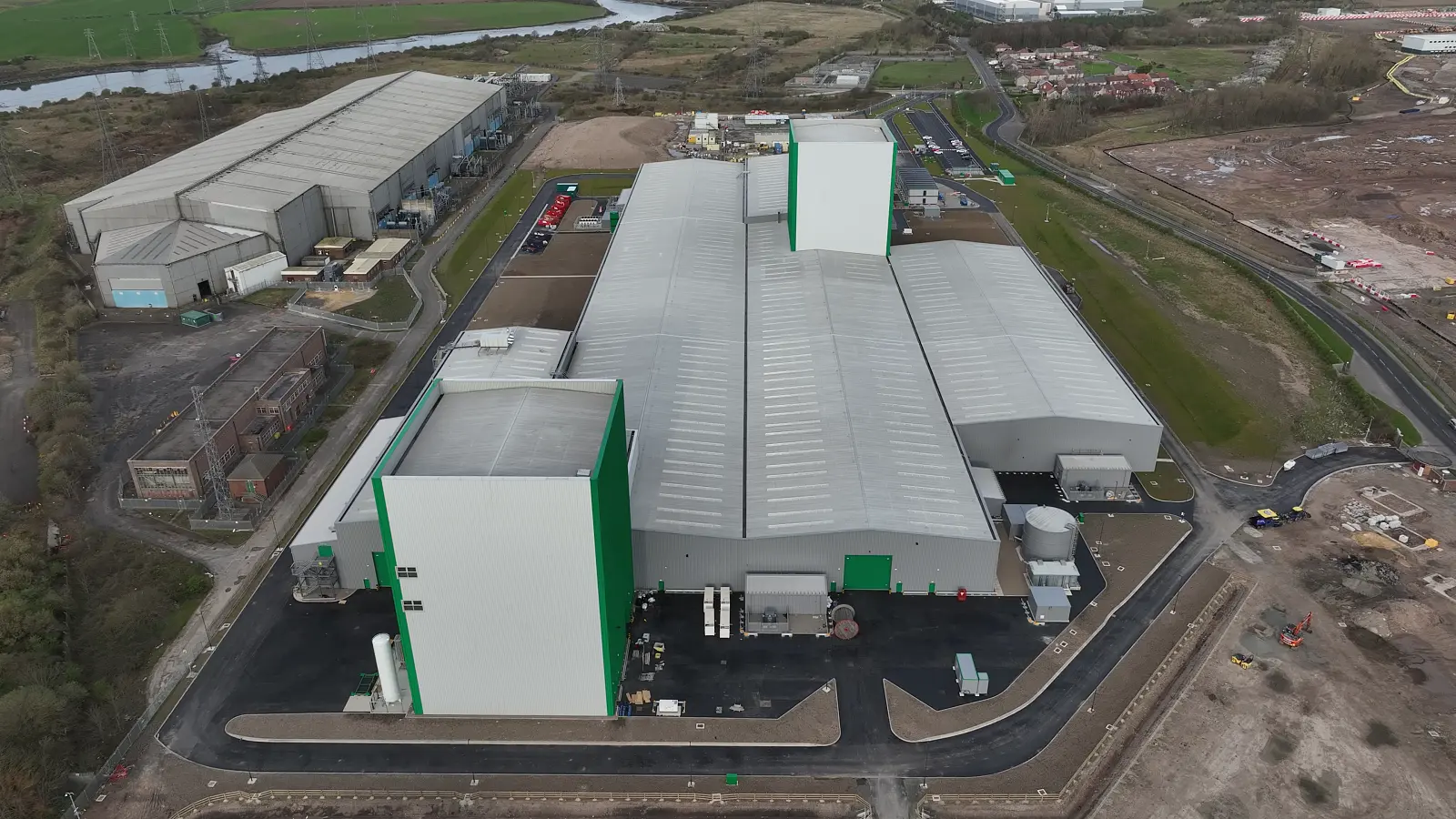
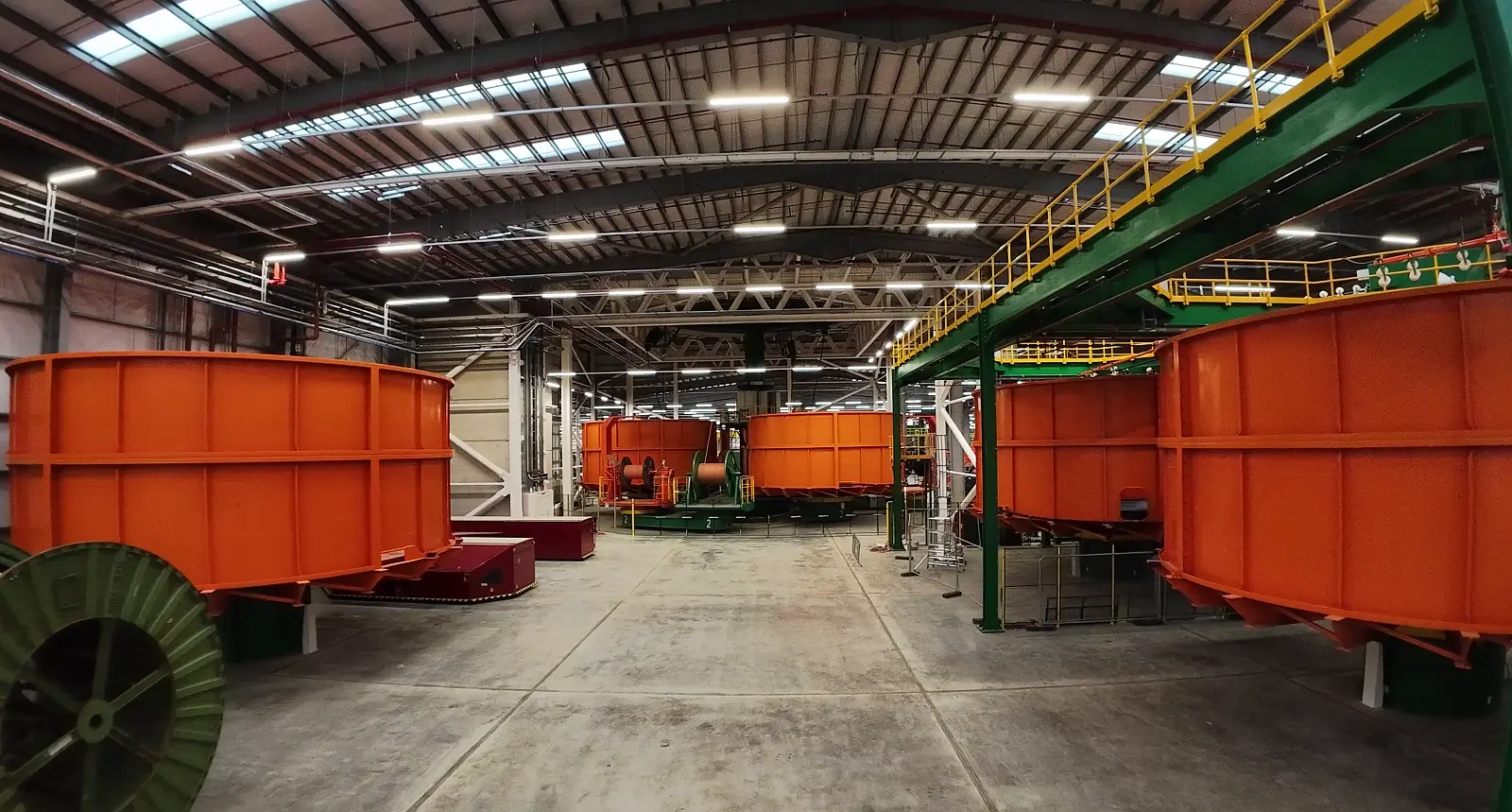
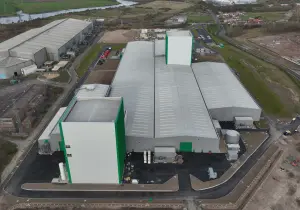
This work is also supported by continued investment into UK manufacturing capability, including JDR’s new high-voltage subsea cable manufacturing facility in Cambois, near Blyth, Northumberland.
Deepwater umbilicals and offshore infrastructure challenges
Beyond offshore wind, oil and gas operators are targeting reservoirs that are more technically challenging to access than many legacy developments. This is driving growing demand for steel tube umbilicals capable of operating reliably over very long distances and at significant water depths.
Thermoplastic hoses remain highly effective for shorter-length umbilicals, while steel tube designs become essential where very long hydraulic transmission distances are required, such as 10, 20 or even 60 kilometres. At the same time, JDR continues to advance thermoplastic hose technology for highly dynamic deepwater applications, including our triple-braid hose design, which combines flexibility with reinforced collapse resistance and has been developed for demanding 3000-metre water-depth environments. In qualification testing, the hose successfully passed impulse testing (widely regarded as one of the industry’s most demanding assessments) without bursting or failing.
Unlike thermoplastic hoses, steel tube umbilicals experience minimal volumetric expansion, allowing hydraulic systems to maintain faster and more predictable response speeds across long-distance subsea applications.
These deeper-water applications also create major engineering challenges. Steel tube umbilicals are significantly heavier than alternative products, increasing tensile loads during both installation and operation. Installation itself can subject products to extremely high crush forces as they pass through tensioning systems aboard offshore installation vessels. To help address these challenges, we have developed a patented ball-and-socket steel tube termination, designed to optimise how load is transferred from the steel tube into the termination.
To support this evolving market, JDR is also developing advanced calculation and analysis tools designed to improve crush resistance, optimise product design and better predict how dynamic systems will behave in offshore environments. We’re also progressing qualification and validation programmes aimed at supporting deeper-water applications approaching 3000 metres.
This includes full-scale qualification and fatigue testing designed to validate long-term product performance before deployment on major offshore projects. These validation programmes are essential for providing JDR customers with the confidence needed to support large-scale commercial deployment in harsh offshore environments.
Building the future offshore energy system
Subsea cable systems are playing a central role in supporting the wider energy transition.
Alongside offshore wind growth, the industry is seeing increasing interest in offshore electrification projects that connect offshore oil and gas platforms to renewable power sources onshore, whilst future offshore developments are becoming larger, deeper and more technically complex, placing greater demands on subsea infrastructure providers.
For JDR, this means continuing to invest in engineering capability, qualification testing and system-level innovation that supports the long-term reliability and scalability of offshore energy infrastructure.
Innovation in subsea cable systems, dynamic infrastructure and deepwater technologies is undoubtedly essential to enabling reliable, commercially viable and future-ready offshore energy projects worldwide.
Co-authored by:
Joe Cole – Technology Manager, Power Cables
Christopher Donaghy-Spargo – Technical Director, High Voltage Cable Systems
-
 3rd September 2026
Beyond the cable: supporting offshore wind through integrated installation services
-
 28th August 2026
Developing Future Engineering Talent
-
 29th July 2026
How subsea cable innovation is supporting offshore wind and deeper-water energy projects
-
 28th May 2026
How JDR is powering skills, communities and the UK energy transition